Loungewear is one of those categories that looks simple from the outside, but once I start sourcing it, I realize how many small decisions matter. A lounge set is not just “soft clothing for home.” It sits somewhere between sleepwear, casualwear, and lifestyle apparel, and that’s exactly why brands like it so much.
A custom loungewear manufacturer helps brands develop lounge sets, hoodies, sweatpants, soft knit sets, and comfort-driven pieces that can work for homewear, travel, and relaxed daily use. To source well, I need to understand styles, fabrics, cost drivers, and sample priorities before I ask for a quote.
That’s what I want to do here. Keep it practical, keep it clear, and make the next step easier.
What Do Buyers Mean by “Custom Loungewear”?
When I hear “custom loungewear,” I don’t think of one single product. I think of a product family.
Custom loungewear usually refers to coordinated comfort-focused apparel such as lounge sets, hoodie sets, crewneck sets, knit tops and bottoms, shorts sets, and other relaxed garments that can sit between sleepwear and casualwear.
That in-between position is exactly what makes the category strong.
Unlike traditional pajamas, loungewear is often expected to:
- look more presentable
- feel suitable for both home and light outings
- have better shape retention
- work in multiple seasons
- support a broader lifestyle identity
That means the sourcing logic changes slightly.
For pajamas, I may focus first on softness and sleep comfort. For loungewear, I still care about softness, but I also pay closer attention to:
- silhouette
- weight
- recovery
- structure
- styling flexibility
This is why a true loungewear supplier should understand not only sleepwear fabrics, but also lounge-specific product planning.
For example, a buyer may want:
- a heavyweight fleece hoodie and jogger set
- a terry cotton crewneck and pants set
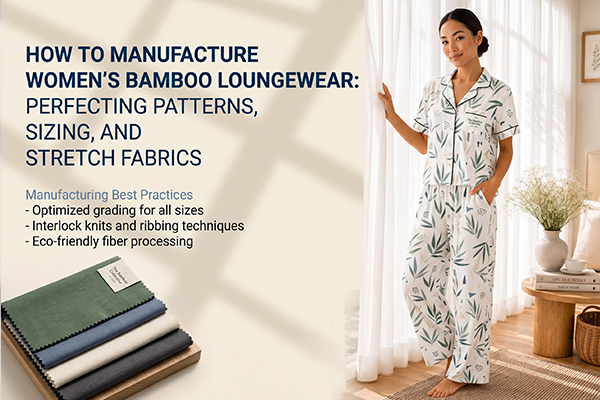
- a bamboo lounge top and shorts combination
- a relaxed unisex knit set
All of these are “loungewear,” but they do not quote, feel, or sell the same way.
If someone is still in the early brand stage, I’d naturally send them to how to start your own pajama brand, because loungewear often becomes an extension of the same brand strategy.
In simple terms, custom loungewear is not just about relaxed clothing. It’s about products that carry comfort, shape, and lifestyle value at the same time.
Which Loungewear Styles Work Best for Brands?
This is usually the first product-level decision I want to make.
The best loungewear styles for brands are usually the ones that are easy to understand, easy to style, and easy to reorder—such as hoodie and sweatpants sets, crewneck lounge sets, soft shorts sets, and relaxed knit coordinates.
I like to break the category into four practical style families.
1. Hoodie and sweatpants sets
These are strong for:
- cooler weather
- lifestyle collections
- street-meets-comfort positioning
- unisex programs
They usually need a little more structure and weight.
2. Crewneck sweatshirt and pants sets
These are often easier to wear and easier to commercialize than hoodies. They feel clean, casual, and broad-market.
3. Shorts lounge sets
These are ideal for:
- summer
- resort direction
- lighter bamboo or jersey collections
- younger DTC brands
4. Soft knit separates
These work well when a brand wants:
- mix-and-match sales
- simpler inventory options
- more styling flexibility
Here’s how I would compare the styles:
| Style | Best For | Main Buying Focus |
|---|---|---|
| Hoodie set | Cooler season, lifestyle feel | Weight, seam quality, silhouette |
| Crewneck set | Everyday comfort | Shape retention, finishing |
| Shorts set | Summer / warm markets | Softness, breathability |
| Knit separates | Flexible assortment | Fabric drape, fit consistency |
The reason this matters is simple: if I don’t know which type of loungewear I’m actually sourcing, then every quote I receive becomes harder to compare.
This is also where I’d direct the buyer toward loungewear sets collection, because once style intent becomes clear, actual product browsing becomes much more useful.
Good sourcing starts when the style category is specific enough to compare suppliers properly.
How Should I Choose Fabric for Lounge Sets?
Fabric is where loungewear becomes either irresistible or forgettable.
The best fabric for custom loungewear depends on season, product type, and brand positioning. Fleece adds warmth and body, terry offers comfort with structure, while bamboo and jersey blends are softer, lighter, and better for breathable lounge styles.
I usually match the fabric decision to the product’s role.
If I want a cozy, structured set
I tend to look at:
- fleece
- terry
- heavier cotton blends
These work well for:
- hoodie sets
- crewneck lounge sets
- relaxed joggers
If I want a lighter, softer set
I look at:
- bamboo jersey
- bamboo-cotton blends
- modal jersey
- cotton-spandex knit
These work better for:
- soft top and shorts sets
- travel lounge sets
- warmer weather
- relaxed all-day comfort
Practical fabric table
| Fabric | Feel | Good For | Typical Season |
|---|---|---|---|
| Fleece | Warm, soft, plush | Hoodie sets, joggers | Autumn / Winter |
| Terry | Soft with some structure | Crewneck sets, lounge pants | Spring / Autumn |
| Bamboo jersey | Smooth, breathable | Light lounge sets | Spring / Summer |
| Bamboo-cotton jersey | Balanced softness and stability | Everyday sets | All-season |
| Modal jersey | Soft, drapey, premium | Elevated lounge sets | Spring / Summer |
This is where the conversation with a manufacturer gets very useful. A good factory should help me understand not just fabric names, but how each fabric behaves:
- Does it relax after wash?
- Does it pill easily?
- Is it too thin for pants?
- Is it too heavy for summer?
- Does it hold shape in cuffs and waistband?
If I want to go deeper into the material side, this section should naturally link to sustainable fabrics guide, because it supports both SEO and buyer decision-making.
In loungewear, fabric is not just about softness. It determines whether the product feels premium, practical, seasonal, or cheap.
What Details Affect Cost and Quality in Loungewear Production?
This is where many lounge sets stop being “simple basics.”
In loungewear production, cost and quality are heavily influenced by fabric weight, cuff construction, waistband finish, pocket design, drawcords, trims, labels, and packaging. These details should be clarified early so the quote reflects the real product.
It’s very easy for a buyer to send a picture of a hoodie set and think it’s straightforward. But once the quote starts to break down, details appear everywhere.
Common cost drivers in lounge sets
- rib cuffs and waistband
- hood construction
- kangaroo pocket
- drawcord
- side pockets
- contrast stitching
- embroidery or logo placement
- heavyweight fabric
- packaging upgrades
Even shorts can become more complex if they include:
- double-layer hem
- soft brushed inside
- custom waistband
- branded drawstring
- pocket bags in matching fabric
That’s why I like using a trims and construction checklist before final quote comparison:
| Detail | Need It? | Notes |
|---|---|---|
| Rib cuff | Sleeve / hem / ankle | |
| Hood | Lined or unlined | |
| Drawcord | Color / tip / length | |
| Side / patch / kangaroo | ||
| Embroidery | Placement and size | |
| Label set | Neck / care / size | |
| Packaging | Polybag / eco bag / box |
The more clearly I define these details, the fewer pricing surprises I get later.
The best quote is not the lowest one. It’s the one that correctly reflects the product I actually want to produce.
How Do I Evaluate a Loungewear Manufacturer Properly?
A supplier may be great at pajamas and average at loungewear. That’s possible. The categories overlap, but they are not identical.
A strong loungewear manufacturer should understand lounge-specific fabrics, relaxed set construction, trim quality, sample development, and the balance between comfort and silhouette.
When I evaluate a loungewear supplier, I usually look at five areas:
1. Product experience
Do they already make:
- lounge sets
- sweatshirt sets
- fleece shorts
- hoodie and jogger sets
- soft knit coordinates
2. Fabric understanding
Can they discuss:
- fleece vs terry
- jersey vs knit lounge fabrics
- structure vs softness
- suitable GSM for different lounge styles
3. Sample quality
Do the samples show:
- stable sewing
- clean shape
- balanced pockets
- cuff alignment
- good handfeel
4. Commercial fit
Can they support:
- low MOQ
- private label
- sample revisions
- custom packaging
- future scale
5. Communication
Are answers clear, detailed, and practical?
If I want to support this evaluation process with a stronger BOFU page, I would link naturally to how to choose a custom pajama manufacturer, because supplier selection logic overlaps a lot here.
A good loungewear factory should not only be able to make the set. They should understand how the set is supposed to feel, fit, and function in a brand’s collection.
How Can I Request Samples for Custom Lounge Sets Efficiently?
The fastest way to request lounge set samples is to define the style type, target fabric, weight, construction details, and branding needs before contacting the supplier. Clear sample requests reduce wasted time and improve quote quality.
Sample request example
- Product: Crewneck lounge set with pants
- Fabric: Terry cotton, around 320 GSM
- Fit: Relaxed, everyday lounge silhouette
- Details: elastic waistband, side pockets, branded label
- MOQ: 50 pcs per style per color
- Branding: neck label + care label + packaging
- Sample timing: 7–15 days preferred
- Market: US / EU
That request is strong enough for a factory to answer meaningfully.
The point of a sample request is not to sound technical. It’s to remove ambiguity so the supplier can build the right first sample.
Conclusion
Custom loungewear is a strong category because it sits right between comfort and daily wear. But that also means the sourcing process needs to be more thoughtful than many buyers expect.
If I choose the right style family, select the right fabric weight, define the trims clearly, and request samples with real structure, I can move much faster and avoid weak quotes.
That is what I want from a loungewear manufacturer: not just the ability to sew a set, but the ability to help me build a product that fits my brand and feels right in the market.