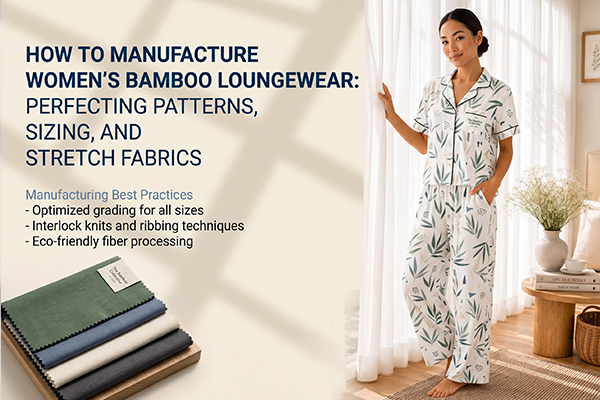
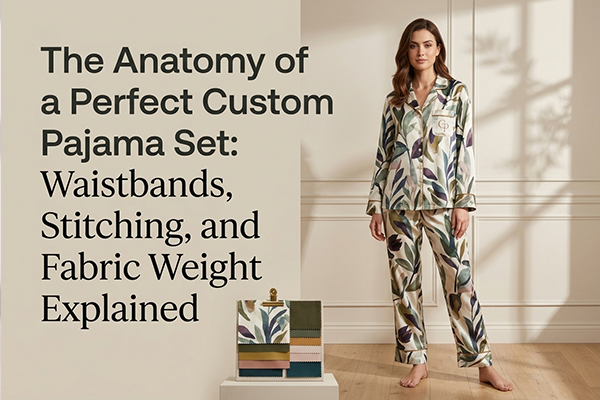
Fabric choice affects more than hand feel. For pajama brands, it changes comfort, price level, brand positioning, washing performance, and even how easy the product is to sample and scale. A soft fabric may feel right for one collection but become the wrong choice if it pushes cost too high, shrinks too much, or does not fit the product style.
For custom pajama development, bamboo, modal, and cotton can all work well. Bamboo is often chosen for soft touch and smooth comfort. Modal is usually stronger for premium drape and elevated women’s sleepwear. Cotton is often the most familiar and practical option for classic pajama sets, kids pajamas, and family programs. There is no single best fabric for every brand. The right choice depends on your target customer, season, price range, fit direction, and production goals.
That is the key point: brands should not choose fabric by trend alone. They should choose fabric by market, product type, and development plan.
Why Does Fabric Choice Matter for Pajama Brands?
When a brand develops custom pajamas, fabric is one of the earliest decisions, and it affects almost every step after that.
First, fabric changes comfort. Some fabrics feel smoother, some feel cooler, some feel more structured, and some feel warmer. If the fabric does not match the intended customer and season, the whole product can feel wrong even if the style looks good.
Second, fabric affects breathability and stretch. A soft knit for women’s sleepwear may need drape and flexible recovery. A family pajama set may need easier care and simpler sizing. A kids pajama program may need something practical and familiar for parents.
Third, fabric changes washing performance. Brands should think early about shrinkage, surface pilling, and color stability. These issues often show up after sampling, not before. If the brand waits too long to ask the right questions, the sample stage becomes slower and more expensive.
Fourth, fabric affects cost and brand positioning. A premium private label sleepwear line can support a different fabric choice than a more volume-driven entry collection. The fabric also shapes how customers describe the product in reviews. If the hand feel does not meet the brand story, customer feedback often becomes weaker.
Finally, fabric affects production planning. MOQ, sample time, print method, and fit adjustment can all change depending on whether the brand chooses bamboo, modal, or cotton. This is one reason many buyers compare sustainable fabrics for custom pajamas and broader pajama fabric options before finalizing their development direction.
In short, fabric is not only a material decision. It is also a product, pricing, and production decision.
What Are Bamboo Pajamas Best For?
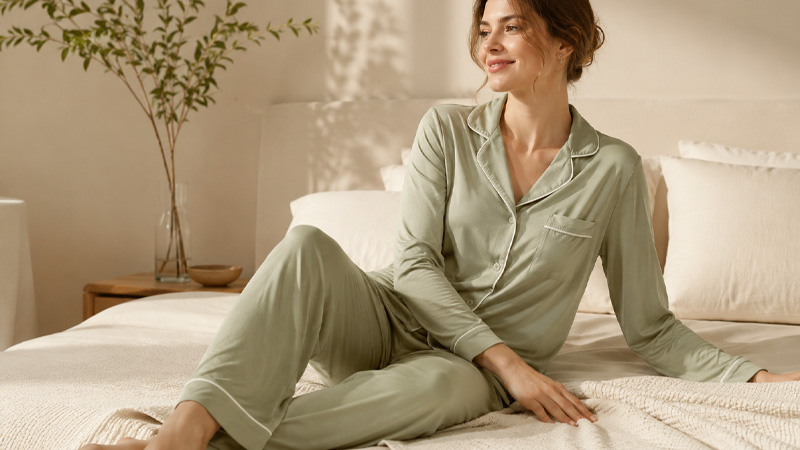
Bamboo pajamas are usually chosen when a brand wants a very soft surface and a smooth skin-contact feel. In custom manufacturing, this often means bamboo viscose or bamboo viscose blended with spandex.
For many sleepwear brands, bamboo works well in:
- women’s pajama sets
- matching family pajamas
- maternity and nursing sleepwear
- soft loungewear
- long sleeve pajama sets
- short sleeve and shorts sets
One reason brands like bamboo is the soft hand feel. It often feels smoother than many standard cotton jerseys. When blended with spandex, bamboo fabrics can also give useful stretch and shape comfort.
From a positioning point of view, bamboo is often used in products that want to feel:
- softer
- gentler
- more premium than basic cotton
- suitable for sensitive-skin messaging
That said, brands should stay practical. When a fabric is described as “bamboo” in the market, it is often a regenerated cellulose fabric rather than a simple mechanically processed natural bamboo fiber, so clear fiber-content communication matters in brand development. That is why we usually advise buyers to focus on real performance and correct labeling instead of vague claims.
Common development examples include:
- 95% bamboo viscose 5% spandex jersey
- 67% bamboo 28% cotton 5% spandex
- bamboo-modal or bamboo-cotton blends in soft pajama sets
Before choosing bamboo for custom production, brands should confirm:
- pilling behavior
- shrinkage after washing
- colorfastness
- available fabric weight
- recovery after stretch
For many buyers, bamboo is a strong choice for women’s pajama sets and other soft custom women’s pajamas where hand feel matters a lot.
What Are Modal Pajamas Best For?
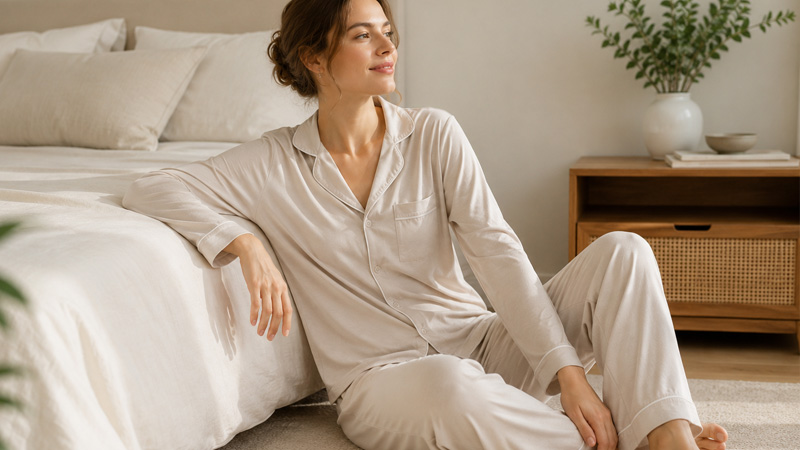
Modal pajamas are usually best for brands that want a smoother and more fluid product feel. Modal often gives a softer drape than standard cotton, which makes it useful in more premium women’s sleepwear directions.
In practical product development, modal works well for:
- women’s pajama sets
- wide-leg pajama pants
- soft lounge sets
- long sleeve premium sleepwear
- relaxed drapey silhouettes
Many brands choose modal because of its smooth touch and drapey feeling. When the design direction is more refined, softer, and more elevated, modal can often support that better than a basic cotton jersey.
Some brands also look at TENCEL modal as a premium option. In sourcing conversations, this usually comes up when the brand wants a cleaner premium story, a softer drape, and more polished women’s product positioning.
But modal should still be checked carefully. It is not enough to say “we want modal.” Brands should confirm:
- fabric weight
- stretch level
- recovery
- washing performance
- how the fabric behaves in wide-leg or relaxed silhouettes
A modal fabric that is too light may become too thin for some pants sets. A modal fabric that drapes beautifully may still need testing if the product includes pockets, piping, or branded trims.
That is why we usually recommend modal for brands building softer, more premium women’s collections rather than only judging it as a general “better” fabric.
What Are Cotton Pajamas Best For?
Cotton remains one of the most useful and practical options in pajama development. It is familiar, versatile, and easier for many brands to position across different customer groups.
Cotton pajamas are often best for:
- classic pajama sets
- kids pajamas
- matching family pajamas
- cotton poplin button-up sets
- more natural fabric positioning
- brands that want organic cotton options
There are several cotton directions brands may consider.
Cotton jersey
This is one of the most common choices for soft knit pajama sets. It works well for both women’s and kids products, depending on weight and finish.
Cotton poplin
This is more structured and cleaner in appearance. It works especially well for classic button-up sets and sharper pajama silhouettes.
Cotton rib
This can be useful when more stretch and surface texture are needed. It often works in fitted tops, softer lounge products, and some maternity directions.
For brands wanting a more natural or simpler material story, cotton can be very useful, especially when organic cotton is available and fits the price range. Cotton also works well for custom kids pajamas and broader kids pajama production because parents often respond well to familiar fibers and easy product messaging.
Before choosing cotton, brands should confirm:
- shrinkage level
- softness after wash
- GSM range
- print compatibility
- whether the final product needs more stretch or more structure
Cotton is not always the softest option, and it is not always the most premium-looking option, but it is still one of the most flexible fabrics for practical custom production.
Bamboo vs Modal vs Cotton: Quick Comparison for Brands
| Factor | Bamboo | Modal | Cotton |
|---|---|---|---|
| Softness | Very soft | Very soft and smooth | Varies by yarn and finish |
| Breathability | Good | Good | Good |
| Stretch | Better when blended with spandex | Good when blended, depends on knit | Depends on knit and blend |
| Warmth | Light to medium | Light to medium | Wide range from light jersey to heavier knits |
| Price level | Medium to upper-medium | Medium to premium | Entry to medium, sometimes premium for special cotton |
| Best season | Spring, summer, all-season soft sets | Spring, summer, premium all-season | All-season, depending on construction |
| Best product type | Soft women’s sets, maternity, family sets | Premium women’s sets, wide-leg lounge styles | Classic sets, kids, family, poplin pajama sets |
| Suitable brand positioning | Soft comfort, sensitive-skin positioning, modern sleepwear | Premium, elevated, drapey sleepwear | Natural, classic, practical, family-friendly |
| Production points to check | Pilling, shrinkage, colorfastness, weight | Weight, recovery, wash behavior, drape | Shrinkage, softness, GSM, print method |
Which Fabric Should Brands Choose for Different Pajama Products?
The fabric choice becomes easier when the brand starts with the product category instead of the fiber story.
Women’s pajama sets
Bamboo and modal are both strong choices here. Bamboo works well when the brand wants a soft and cozy hand feel. Modal often works better when the product needs cleaner drape or more premium positioning.
Men’s pajama sets
Cotton and bamboo-cotton blends are often practical. These usually balance comfort, structure, and price well.
Kids pajamas
Cotton is often the easiest starting point because it is familiar and practical. Bamboo-cotton blends can also work for softer programs if the brand wants a smoother hand feel.
Matching family pajamas
Cotton and bamboo-cotton are often the most workable because the collection needs multiple sizes, stable production, and easier print planning.
Maternity and nursing sleepwear
Bamboo with spandex or soft rib knit blends often work well because stretch and softness matter more here.
Fall/winter loungewear
French terry and heavier cotton-based fabrics are often stronger choices than lightweight modal or bamboo jersey if warmth and body are needed. If the brand is building a softer lounge line, it may also help to work with a custom loungewear manufacturer for more structured fabric planning and soft private label loungewear development.
Summer pajama sets
Bamboo, modal, and lighter cotton jersey are all useful here, depending on target price and positioning.
Premium private label pajamas
Modal and well-developed bamboo fabrics are usually stronger choices when the brand wants a smoother, higher-touch product story.
What Should Brands Ask a Pajama Manufacturer Before Choosing Fabric?
Before finalizing fabric, brands should ask the manufacturer practical questions instead of only asking which fabric is “best.”
A useful checklist includes:
- Can you source fabric swatches?
- What GSM is available?
- What is the MOQ for this fabric?
- Does the fabric shrink after washing?
- Which print method works best?
- Can this fabric support custom labels and packaging?
- How long does sampling take?
These questions help the brand compare materials in a realistic way. A good custom pajama manufacturer should be able to explain which fabric is workable for the product, what the MOQ looks like, and how the fabric behaves in sample development.
Conclusion
Bamboo, modal, and cotton can all work well for pajamas. The best choice depends on what the brand is building. Bamboo is often useful for soft comfort positioning. Modal is often stronger for premium drape and elevated women’s products. Cotton stays important for classic, practical, and family-focused sleepwear lines. The right decision should come from season, product type, fit direction, price level, and production planning. If your team is comparing fabrics for a new collection, you can request fabric suggestions or discuss your pajama fabric options with our team before sampling starts.