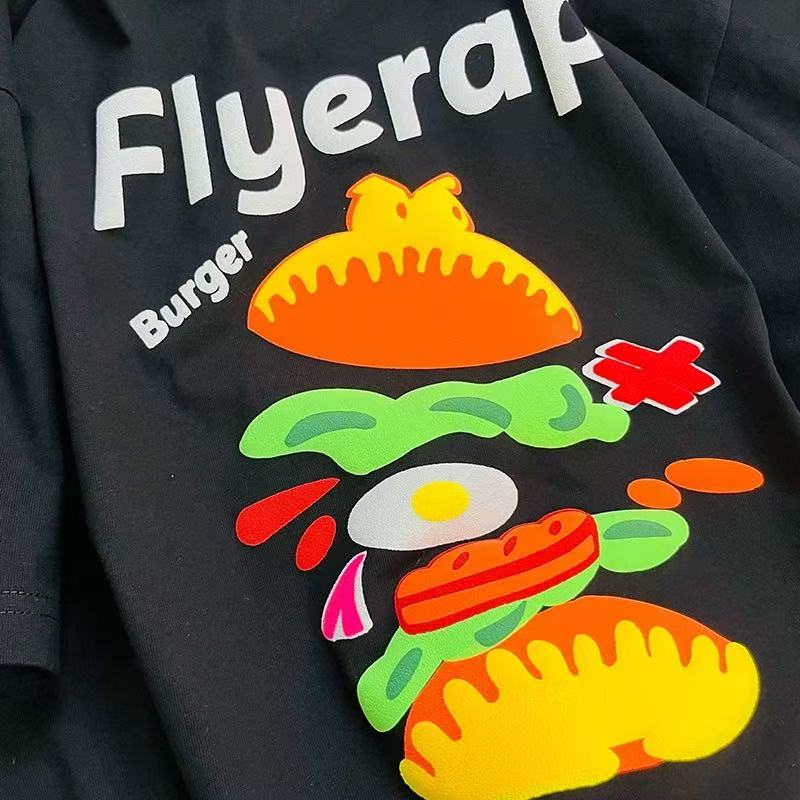
When starting a brand, you might focus on fabric or fit — and that’s smart — but how your logo, pattern, or artwork gets onto the garment is just as important for quality and brand perception.
Printing and decoration techniques are the methods used to apply graphics, logos, and designs onto fabrics. Different techniques offer different levels of detail, durability, cost, and texture — and choosing the right one can truly elevate your custom pajama line.
Let’s dive into common methods and how they apply to custom pajamas.
What Is Screen Printing and When Should You Use It?
Screen printing is a traditional method where ink is pushed through a mesh screen onto fabric, creating vibrant and durable prints. It’s a popular choice for bold, solid-color designs and is especially cost-effective for larger orders.

Screen printing works beautifully on items like logo placements or graphic designs with fewer colors. It’s often used on bamboo, cotton, and jersey fabrics in pajama manufacturing because of its strong color payoff.
I once worked with a brand that wanted matching family pajamas with bold holiday graphics. We recommended a high-quality screen printing setup because:
- Their design had 2–3 bold colors
- The orders were large enough to justify screen setup costs
- They needed excellent wash durability
Here’s a simple comparison of screen printing vs. some other techniques:
| Technique | Best For | Durability | Cost |
|---|---|---|---|
| Screen Printing | Bold graphics, few colors | ⭐⭐⭐⭐ | ⭐⭐⭐ |
| DTG / Digital Print | Multi-color details | ⭐⭐ | ⭐⭐ |
| Embroidery | Logos & textured branding | ⭐⭐⭐⭐⭐ | ⭐⭐⭐⭐ |
This table shows why screen printing remains a go-to method for many brands.
If you want options that support high-detail designs, check out our guide on digital printing .
How Digital Printing (DTG / DTF) Works for Pajamas
Digital printing methods like DTG (Direct to Garment) and DTF (Direct to Film) allow high-resolution, multi-color prints directly onto fabric.
This is a game changer for pajamas with intricate patterns, photographic prints, or gradient effects — things that screen printing struggles with.
Here’s the snippet:
Digital printing enables detailed and multi-color designs on garments without the need for separate screen setups. It’s ideal for small batches, samples, and designs with many colors or gradients.
I remember helping a startup launch their first bamboo print pajama collection with custom artwork designed by an illustrator. They had gradients, multiple colors, and small iconic elements that needed precision. Screen printing wasn’t going to cut it — the best solution was digital printing.
The biggest advantages of digital printing are:
- No setup cost for screens
- Better detail for multi-color art
- Fast turnaround for samples
That said, it’s not as durable as screen printing for heavy wash cycles — but for fashion-oriented and seasonal collections? It’s a winner.
Why Embroidery Still Matters
Embroidery is the technique of stitching thread into fabric to create a raised, textured logo or design. Unlike screen or digital prints, it isn’t flat on the surface — it adds depth and a premium feel.
This makes it perfect for:
- Brand logos on pajama pockets
- Monogram details for luxury collections
- Subtle branding that feels upscale
Embroidery has durability advantages too — unlike prints that can fade, thread stitches can last as long as the garment.
It’s a go-to if you’re positioning your sleepwear line as premium or boutique. For example, if you’re creating a spa or hotel pajama line, embroidered logos can increase perceived value and customer trust.
Pro tip: Combine embroidery with printing for mixed visual effects — think printed pattern + embroidered logo.
Practical Tips for Choosing the Right Technique
Most brands I work with aren’t printing experts — they just want what looks good, lasts long, and fits their budget.
So here’s how I usually advise:
- Start with your design goals
- Do you want bold graphics or subtle logos?
- Match technique to fabric
- Heavy jersey vs. lightweight bamboo behave differently
- Estimate order size
- Screen printing shines at scale
- Think about wash performance
- Embroidery lasts strong; prints vary
- Budget wisely
- Digital prints offer flexibility for small runs
You might also want to explore how different fabrics react to printing techniques. For example, bamboo blends often shine with digital prints, while heavier cotton works beautifully with embroidery and screen work.
If this sounds like a lot to juggle, our OEM pajama manufacturing overview can help you connect the dots between fabric choice and decoration options.
Conclusion
Printing and decoration are more than aesthetic choices — they shape how your product feels, how your brand is perceived, and even how long the garment lasts.
Whether you lean toward vibrant screen prints, detailed digital artwork, or elegant embroidered branding, choosing the right technique can elevate your custom pajama collection and set you apart in a crowded market.
When you combine good design with the right technique, you’re not just making pajamas — you’re making something people feel good wearing.