When I talk with buyers looking for a women’s pajama supplier, I notice something very quickly: they are not just looking for “pretty styles.” They are trying to reduce risk.
A good women’s pajama manufacturer should do more than sew garments. They should understand fabric choice, GSM, fit consistency, trim costs, sample development, and private label execution. If I want better quotes and better samples, I need to compare factories based on women’s product capability—not just price.
So in this guide, I want to make that process easier. I’ll break down how I think about women’s pajama sourcing, from styles and fabrics to trims, sample approval, and what I would ask before sending an RFQ.
What Do Buyers Really Mean by “Ladies Pajama Manufacturer”?
When buyers search for “ladies pajama manufacturer” or “women’s pajama manufacturer,” they usually mean something much more specific than a factory that simply makes pajamas.
In practice, a women’s pajama manufacturer is expected to understand women’s silhouettes, softer handfeel fabrics, better trim choices, fit tolerances, and the finishing details that matter in women’s sleepwear collections.
That difference matters.
A factory may be able to produce basic T-shirts or simple men’s sets, but that does not always mean they are strong in women’s sleepwear. Women’s products often involve more decisions around:
- collar shape
- piping
- placket width
- drape
- pocket placement
- sleeve proportion
- trim matching
- seasonal softness
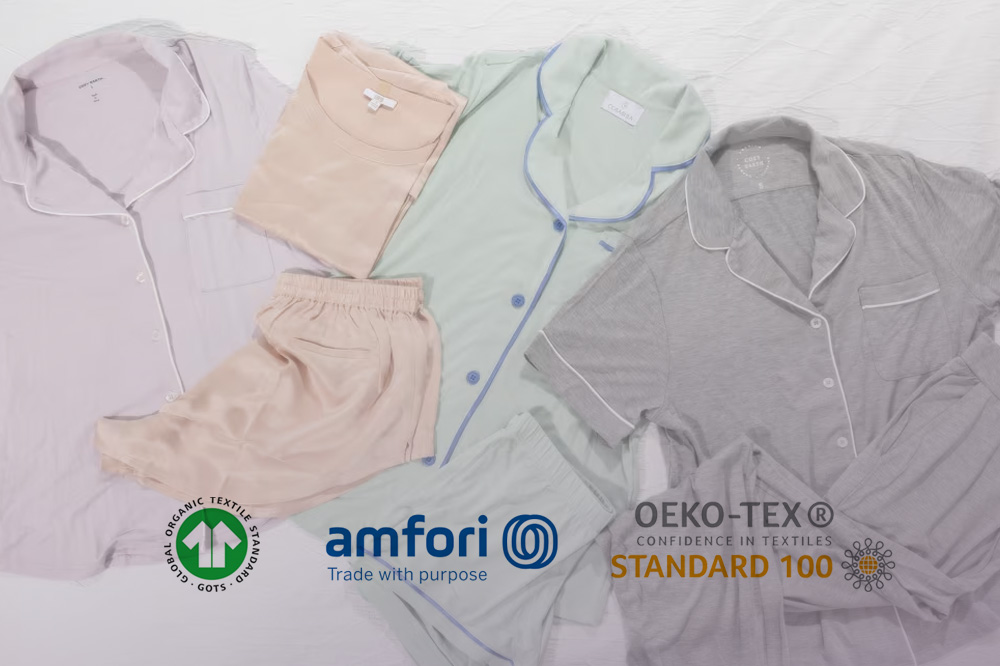
From my side, I never want to assume a supplier “can do women’s pajamas” just because the word appears on their website. I want proof in the form of:
- product photos
- sample quality
- fabric knowledge
- size range familiarity
- trim execution
- private label experience
This is where many buyers save or lose time.
If I am sourcing for a women’s collection, I want the supplier to understand whether I am building:
- a classic collared pajama line
- a soft modal lounge set
- a bamboo jersey short set
- a nightgown capsule
- a maternity or nursing extension
That product understanding changes the quote. It also changes whether the sample feels right when it arrives.
If someone is still at the early brand-building stage, I would naturally point them to How to Start Your Own Pajama Brand: Step-by-Step Guide, because it helps clarify product direction before supplier comparison begins.
In short, a real women’s pajama manufacturer should not just say “yes, we can make it.” They should understand what makes women’s sleepwear commercially workable.
A few signs I look for early
I pay closer attention when a supplier can clearly discuss:
- bamboo vs bamboo-cotton vs modal
- long sleeve sets vs short sets
- piping and button costing
- size grading for women’s bodies
- how shrinkage affects final measurements
That kind of answer tells me I’m talking to someone who has actually worked on this category.
Which Women’s Pajama Styles Sell Best—and Why?
This is one of the easiest ways to test whether a supplier really understands the category.
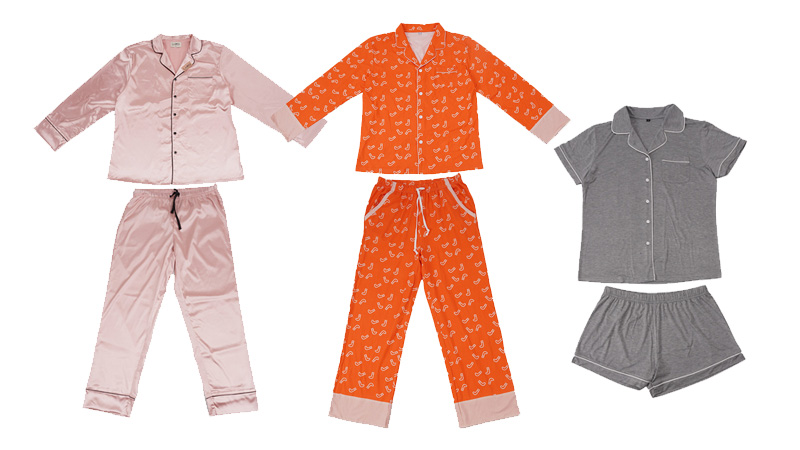
Best-selling women’s pajama styles usually include long sleeve long pants sets, short sleeve short sets, nightgowns, and soft loungewear sets. Each style serves a different season, customer mood, and price level.
I like to think of women’s sleepwear as a mix of four strong product families:
1. Long sleeve + long pants pajama sets
These are the “safe core styles.” They work well for:
- all-season collections
- gift buying
- cooler climates
- premium collared sets
They are easy to build into repeat programs because buyers understand them and retailers know how to sell them.
2. Short sleeve + shorts pajama sets
These are strong for:
- summer collections
- bamboo or modal programs
- resort or vacation lines
- younger private label brands
They usually need especially good fabric handfeel because the product is lighter and more body-close.
3. Nightgowns / sleep dresses
These work well for:
- comfort-focused buyers
- older customer segments
- casual homewear lines
- maternity or softer fit programs
A supplier should know that the drape matters a lot here. The right jersey makes a huge difference.
4. Loungewear-inspired women’s sets
These blur the line between sleepwear and at-home casual wear. That’s a big plus in today’s market. Buyers often want something that feels soft enough to sleep in, but polished enough to wear around the house or even for quick errands.
Here’s how I would compare the main styles:
| Style | Best For | Key Buying Focus |
|---|---|---|
| Long sleeve & pants set | Core collection | Fit, piping, collar, durability |
| Short sleeve & shorts set | Summer program | Breathability, softness, drape |
| Nightgown | Comfort category | Handfeel, length, recovery |
| Loungewear set | Lifestyle line | Fabric weight, versatility, shape |
For category browsing, I would naturally direct buyers to Women’s Pajamas, because once they understand the style family, they usually want to see actual products.
And if they want examples, I’d guide them toward representative product pages like:
The best style is not just the one that looks good. It’s the one that matches the right season, fabric, and target customer.
How Should I Choose Fabric and GSM for Women’s Pajamas?
This is where many good collections become great—or disappointing.
For women’s pajamas, fabric and GSM shape comfort, drape, fit feel, and price. Bamboo and modal usually feel softer and more premium, while bamboo-cotton blends often offer a better balance of softness, stability, and cost.
I usually begin with two questions:
- What season is this product for?
- What handfeel does the buyer want?
Then I match the fabric.
Fabric decision table
| Fabric | Typical Feel | Good For | Suggested Season |
|---|---|---|---|
| Bamboo jersey | Very soft, cool, smooth | Premium soft sleepwear | Spring / Summer / All-season |
| Bamboo-cotton jersey | Soft with better stability | Everyday pajama sets | All-season |
| Modal jersey | Silky, drapey, smooth | Premium women’s sets | Spring / Summer |
| Cotton-spandex jersey | Familiar, practical, balanced | Entry to mid-range programs | All-season |
How I think about GSM
GSM is not just a number on paper. It changes how the garment behaves.
- 180–200 GSM: lighter, softer, good for summer or drapey styles
- 200–220 GSM: very flexible range for women’s pajama sets
- 220–240 GSM: slightly more structure, often good for long sleeve sets
- 240 GSM+: heavier and warmer, often better for cooler seasons or lounge crossover products
If I’m sourcing a modal or bamboo short set, I usually want the fabric to feel fluid and breathable. If I’m sourcing a long sleeve collared set, I may accept a little more body and weight.
This is exactly why I like working with factories that can discuss fabric trade-offs clearly. A good supplier won’t just say “we have bamboo.” They’ll ask whether I want:
- more drape
- more recovery
- more opacity
- more structure
- more cost control
That’s the kind of conversation that leads to better products.
If I want readers to go deeper here, I would link directly to Sustainable Fabrics because it helps them understand why bamboo, cotton blends, and modal behave differently.
The best women’s pajama fabric is not universal. It depends on season, style, price point, and how I want the product to feel when it touches the skin.
Which Details and Trims Change the Quote Fastest?
This is one of the most overlooked parts of women’s sleepwear sourcing.
In women’s pajama manufacturing, trims and details such as piping, buttons, lace, labels, and packaging can quickly change both cost and sample complexity. These details should be discussed clearly at the RFQ stage, not after the first quote.
I’ve seen this happen so many times: a buyer sends a reference photo that looks simple, but the final cost moves up once the real details are added.
Here are the usual cost drivers:
1. Piping
Piping looks elegant and polished, especially on women’s collared sets. But it adds:
- extra sewing steps
- trim coordination
- more labor time around collar, placket, cuffs, hems, and pockets
2. Buttons
Button number, size, quality, and finish all matter. A supplier needs to know:
- plastic or shell-like look?
- matte or shiny?
- dyed-to-match?
- extra spare button required?
3. Lace or decorative trim
For more feminine styles, lace can raise complexity fast. It affects:
- trim sourcing
- sewing method
- wash behavior
- overall quality control risk
4. Labels and packaging
This is easy to forget, but private label orders often include:
- neck label
- care label
- size label
- hangtag
- polybag or custom pouch
- carton mark requirements
Here’s the trim checklist I would use before asking for price confirmation:
| Detail | Need It? | Notes |
|---|---|---|
| Piping | Collar / cuff / pocket / hem | |
| Button type | Size, color, finish | |
| Chest / side / patch | ||
| Lace | Width, placement | |
| Label set | Neck / care / size | |
| Packaging | Polybag / eco bag / box |
The reason I like putting this into a checklist is simple: details affect cost, and cost surprises are annoying.
I would also connect this section to Printing Techniques if the buyer is also evaluating artwork or custom surface details.
The more clearly I specify trims, the more accurate the quote becomes—and the less likely I am to get stuck in revision loops later.
What Quality and Fit Points Should I Check Before Approving a Supplier?
A women’s pajama sample can look attractive and still fail the important tests.
The key quality checkpoints for women’s pajamas are size tolerance, shrinkage, pilling, colorfastness, seam quality, and trim consistency. If I ignore these points at sample stage, I’m taking unnecessary risk into bulk production.
This matters especially for women’s products, because the customer usually feels the difference quickly.
Fit and measurement points I check
- bust width
- body length
- sleeve length
- shoulder balance
- rise and inseam for pants
- post-wash size change
- overall drape
Quality checkpoints I care about
- shrinkage after wash
- pilling risk
- color transfer
- fabric recovery
- stitch neatness
- collar symmetry
- piping alignment
- button security
I like using a simple sample approval sheet like this:
| Check Item | Acceptable? | Notes |
|---|---|---|
| Size tolerance | ||
| Shrinkage | ||
| Pilling | ||
| Colorfastness | ||
| Seam quality | ||
| Collar / placket shape | ||
| Trim consistency | ||
| Overall comfort |
This section also works well as a bridge to your commercial guide. I would naturally add a link such as How to Choose a Custom Pajama Manufacturer because once someone is checking fit and quality, they are already close to RFQ stage.
Quality approval is not about asking “Do I like this?” It’s about asking “Can I scale this without expensive surprises?”
How Can I Request Women’s Pajama Samples More Efficiently?
This is the point where buyers usually want speed—but speed only helps if the request is clear.
The fastest way to get useful women’s pajama samples is to send a clear RFQ with style type, fabric target, GSM, size range, trim details, and labeling needs. Clear sample requests reduce back-and-forth, improve quoting accuracy, and shorten development time.
If I am requesting samples, I do not want to send just a photo and say, “Can you make this?”
I want to include:
- product type
- target fabric and composition
- preferred GSM
- size range
- trim requirements
- print / color details
- target market
- sample timeline
- testing focus
- packaging expectation
Simple women’s sample request template
- Product: Women’s long sleeve pajama set
- Fabric: 95% bamboo 5% spandex jersey
- GSM: around 200–220
- Sizes: S–XL
- Details: contrast piping, chest pocket, branded neck label
- Style goal: soft premium handfeel, relaxed fit
- Sample timing: 7–15 days preferred
- Market: US / EU
- Focus: shrinkage, colorfastness, size tolerance
If the buyer already has a tech pack, even better. If not, a strong product note still helps a lot.
Because at this point, they are no longer just learning. They are choosing.
A good sample process should feel structured, not chaotic. The clearer my request, the better the factory can respond.
Conclusion
A good women’s pajama manufacturer is not only a sewing supplier. They are a product partner who understands women’s styles, fabric handfeel, GSM trade-offs, trim costs, fit tolerance, and private label requirements.
If I want fewer problems and better quotes, I need to talk to suppliers in a more structured way. That means understanding which styles I’m sourcing, which fabric weight makes sense, which trims affect cost, and which sample checks actually matter.
Once I do that, supplier selection becomes much easier—and inquiry conversations become much more productive.